Water Blaster Tips: 12 Ways to Make Your Machine Last
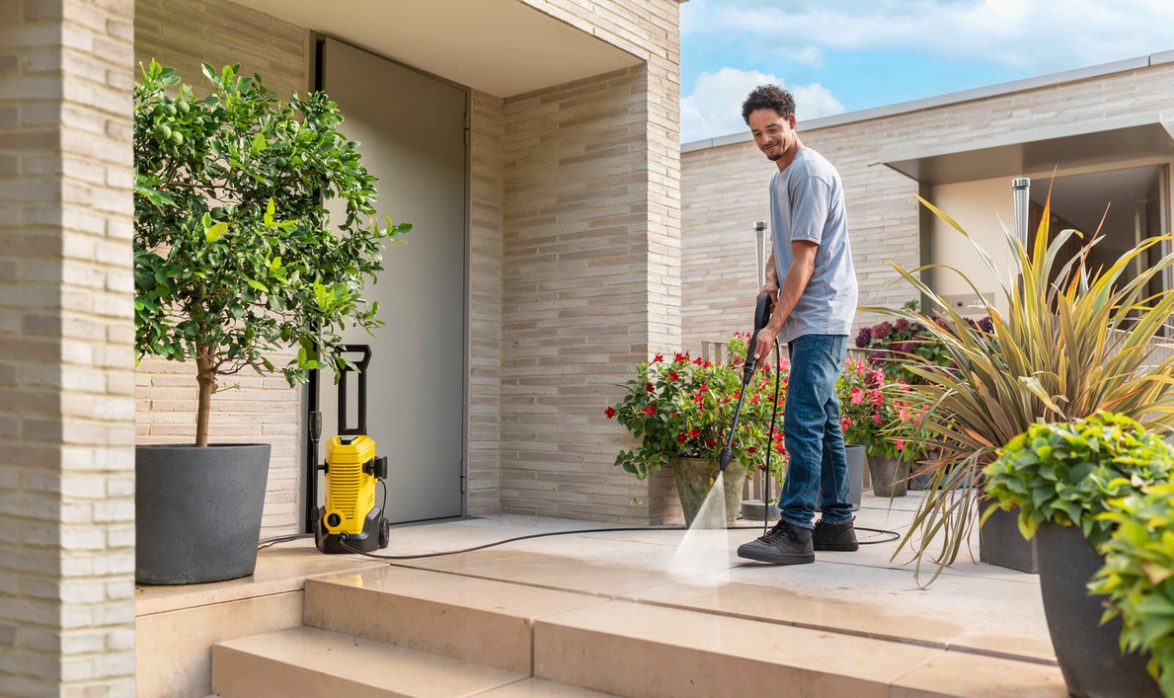
Water blasters are tough machines, but they do have a few pet hates: air in the system, too little water, the wrong extension lead and a careless shutdown. None of those will necessarily stop your machine on the day. The damage tends to build quietly until, one Saturday, the driveway is half done and the pump has clocked off.
The good news is that looking after a water blaster doesn’t take any extra gear or mechanical know-how. It mostly comes down to a few good habits. Here are the 12 survival techniques we’d pass on to anyone who owns one, plus the reason behind each.
These tips are written with electric water blasters in mind, including our Kärcher range. Your machine’s manual always has the final say, so check it if anything differs.
At a glance
| Tip | What to do | What it helps protect |
|---|---|---|
| 1 | Bleed the air out before switching on | Bypass valve |
| 2 | Start the machine with the trigger held | Motor windings |
| 3 | Use at least 8 m of loose garden hose | Pump head, O-rings and gaskets |
| 4 | Skip stop-valve connectors on the garden hose | Pump head |
| 5 | Fit a water filter and clean the inlet filter | Valves |
| 6 | Keep the garden hose out of the sun | Pump |
| 7 | Don’t share the water supply | Pump |
| 8 | Use a 1.5mm copper core extension lead, 10 m maximum | Motor windings |
| 9 | Switch off when you walk away | Motor |
| 10 | Avoid rapid trigger pulls | Unloader |
| 11 | Shut down in the right order | Valves |
| 12 | Think twice before lending it out | The whole machine |
Getting started: how to start a water blaster properly
Quick safety check: Hold the gun firmly and point it somewhere safe before you pull the trigger, and keep the lance away from people, pets and power points.
1. Get the air out first
Every time you set up, turn the garden tap on full, then pull and hold the trigger. Leave the power off for now. Let the water run through until the hissing and spitting stops.
Why it matters: Air left in the hose or machine can make the bypass valve bounce around in an uncontrolled way, which can damage it.
2. Keep the trigger pulled as you switch on
Once the air’s gone, keep holding the trigger and turn the machine on.
Why it matters: The motor starts with no load on it, which is much easier on the windings over the long run.
Your water supply: hoses, filters and flow
3. Use at least 8 metres of loose garden hose
Run a minimum of 8 metres of garden hose to the machine, and leave it loose on the ground. It shouldn’t be kinked or coiled tightly on a hose reel.
Why it matters: Every time you release the trigger, a pressure wave travels back down the garden hose, and the hose expands to absorb it. If it’s too short or too rigid, that pressure finds somewhere else to go, usually the pump head. That can damage O-rings and gaskets, and a short hose can even fracture the pump head.
4. Leave stop valves off your garden hose
Check that your garden hose doesn’t have a stop-valve connection on it.
Why it matters: It’s the same problem as tip 3. The pressure wave has nowhere to go, so the pump head can take the hit.
5. Filter your water and clean the inlet filter
Make sure an adequate water filter is fitted to the machine or your garden hose outlet. Clean your machine’s inlet filter regularly too. You’ll find it behind the tap adaptor.
Why it matters: Even clean-looking water carries fine particles, and over time those wear the valves.
6. Keep your garden hose in the shade
On hot days, keep the hose out of direct sun where you can. If you’ve taken a break and the water has heated up, disconnect the hose from the machine and flush it until the water runs cool. Then reconnect it and carry on.
Why it matters: Water sitting in a hose in the sun can easily go past the maximum temperature your machine allows, and that can damage the pump. Worth remembering through a Kiwi summer.
7. Don’t make it compete for water
Avoid water blasting while the shower, washing machine or anything else is drawing from the same supply.
Why it matters: Your machine wants maximum water flow at all times. Starving it of water can cause damage.
Power: choosing the right extension lead
8. Use a lead with a 1.5mm copper core, no longer than 10 metres
A normal domestic extension lead isn’t up to this job. Those typically have a 1.0mm copper core. If you need a lead, use one of up to 10 metres with a 1.5mm copper core, and don’t go any longer than that.
Why it matters: Voltage drops along the length of a lead. The motor compensates by drawing more power, which can burn out the windings, and motor rewinds can be very expensive. A suitable lead is much cheaper.
While you’re working: go easy on the trigger
9. Don’t use Total Stop as your off switch
Most water blasters have a Total Stop feature, which shuts the motor off when you release the trigger. It’s handy, but it isn’t an on/off switch. If you’re walking away for any length of time, turn the machine off.
Why it matters: If pressure drops in the line, perhaps through a poorly fitted coupler, the machine restarts for an instant to restore it. That surging can be very damaging to the motor.
10. Avoid rapid trigger pulls
When you pull the trigger, keep it going for as long as is practical rather than firing off lots of quick bursts.
Why it matters: Multiple rapid trigger pulls put stress on the unloader.
When you’re done: how to shut down a water blaster
11. Power off, water off, then squeeze
Follow this order every time:
- Turn off the power.
- Turn off the water.
- Pull the trigger to release the last of the pressure.
Why it matters: Valves last longer when they aren’t left sitting under pressure. Together with tips 1 and 2, this is the routine most worth making second nature.
And one more thing
12. Think twice before lending it out
Your neighbour’s a lovely person. They also haven’t read this guide. Lending your machine to someone who won’t follow these tips isn’t something we’d recommend, for obvious and sometimes expensive reasons.
Need a hand with your water blaster?
If your machine isn’t running the way it should, our team can help. We offer servicing and repairs, and we can help you find the right genuine parts and water blaster accessories.
Looking for a new machine? As an authorised Kärcher retailer on Auckland’s North Shore, we’ll help you choose the right one from our Kärcher water blaster range and talk you through setting it up properly.
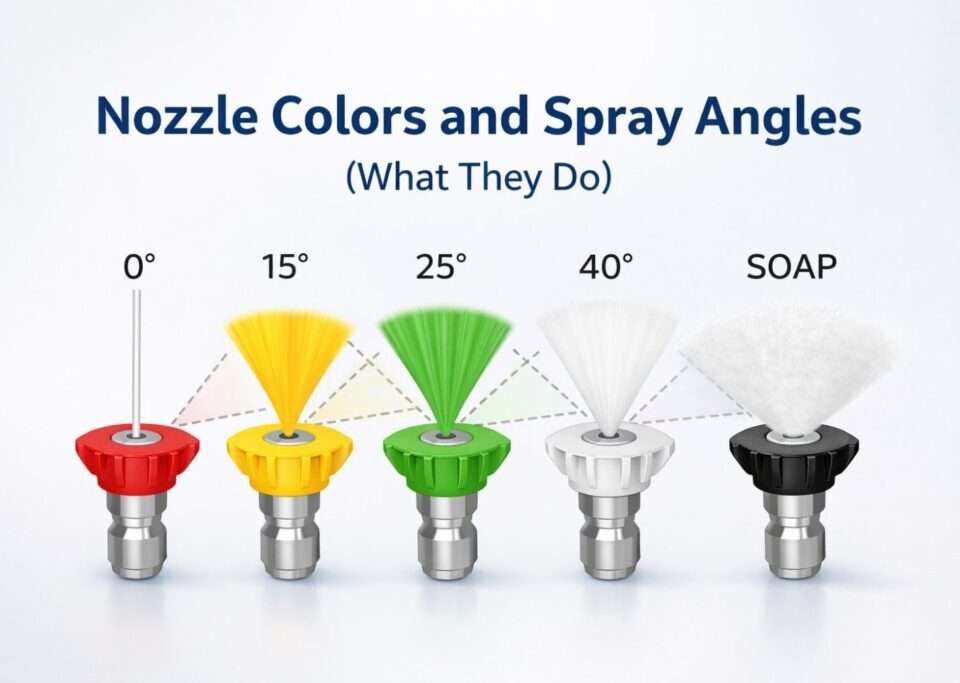
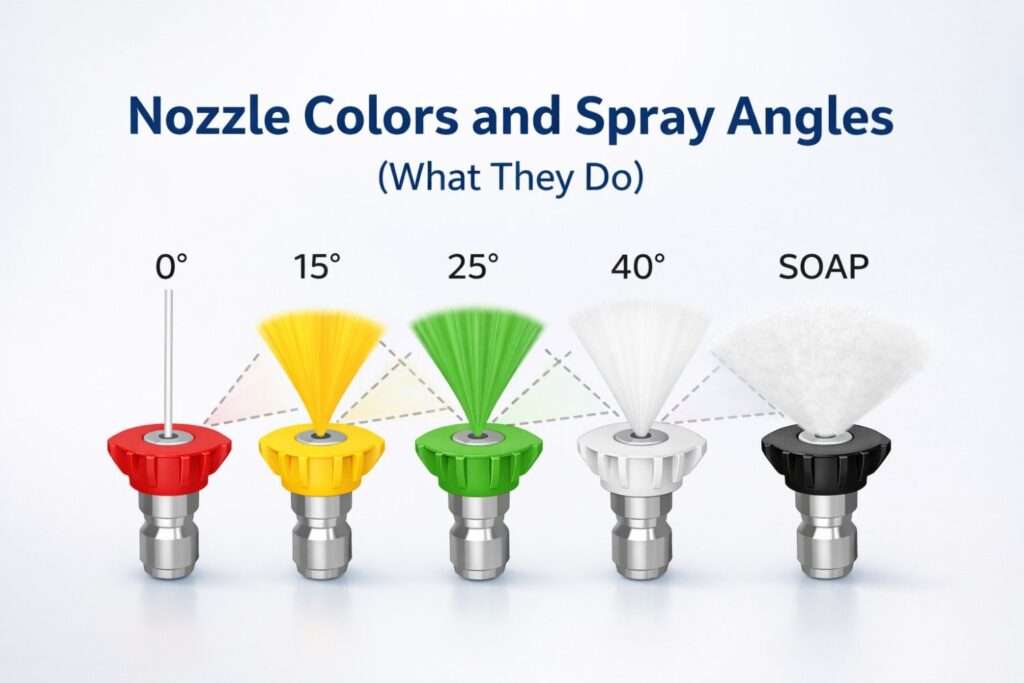
Only need one for the odd big job? You can hire a water blaster from us instead. And before you start, our pressure washer nozzle guide will help you match the spray to the surface.
Call us on 09 478 9480 or drop in to 646 East Coast Road, Pinehill.
Water blaster FAQs
How long should the garden hose be for a water blaster?
Use at least 8 metres, laid loose on the ground rather than kinked or coiled tightly on a reel. A hose that’s too short or too rigid can’t absorb the pressure wave created when you release the trigger, and the pump head can take the damage instead.
Can I use a normal extension lead with a water blaster?
A normal domestic lead isn’t suitable. Use a lead with a 1.5mm copper core, and keep it to 10 metres or less. A long or undersized lead can make the motor draw more power, which may burn out the windings.
Why does my water blaster keep starting and stopping on its own?
On a Total Stop machine, a pressure drop in the line makes the motor restart briefly to restore pressure. A poorly fitted coupler is one possible cause. Switch the machine off and check your connections. If it keeps happening, bring it in and we’ll take a look.
What is the correct way to turn off a water blaster?
Turn off the power, then the water, then pull the trigger to release the remaining pressure. This means the valves aren’t left under pressure while the machine is stored.